
The Emotional, Financial & Work-Life Costs of Prosthetics in Springfield, MA
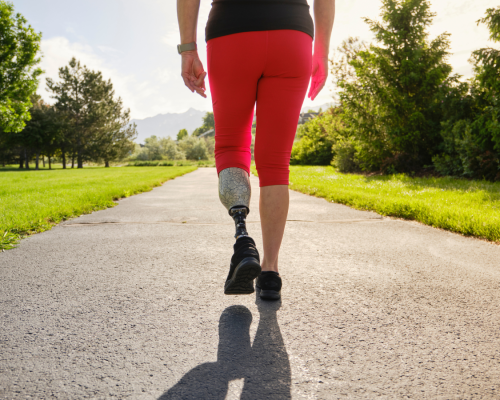
Losing a limb is a devastating experience. Whether the amputation results from a traumatic accident, medical malpractice, or a severe infection following an injury, the challenges that follow extend far beyond the operating room. People in Springfield and throughout Western Massachusetts may face years of physical recovery, emotional adjustment, and financial strain.
Al Goodman is a medical malpractice attorney in Greater Springfield. In this guide, the legal team at Better Call Sal explores the financial realities, workplace challenges, and emotional impact associated with prosthetic limb use, as well as the legal options available when an amputation was caused by negligence.
The Financial Cost of Prosthetic Limbs
Prosthetic limbs are remarkable pieces of technology that allow people to regain mobility and independence. But these devices are also extremely expensive, and they require ongoing replacement and maintenance.
The initial cost of a prosthetic limb can vary widely depending on the type and complexity of the device. Typical price ranges include:
- Basic prosthetic limbs: approximately $5,000–$10,000
- More advanced prosthetics: $10,000–$50,000 or more
- Highly specialized or computerized prosthetics: $50,000 or more
These figures only represent the beginning of prosthetic expenses Massachusetts amputees often face.
Ongoing Replacement Costs
Prosthetic limbs do not last forever. They typically must be replaced every three to five years, and sometimes sooner depending on wear and technological upgrades. For children and younger adults, replacement may occur even more frequently as their bodies change over time. Over the course of a lifetime, prosthetic replacement alone can cost hundreds of thousands of dollars.
Medical Treatment and Physical Therapy
After an amputation, rehabilitation is essential. Many patients require extensive physical therapy to learn how to use their prosthetic limb effectively. Therapy typically focuses on helping patients regain balance and mobility while adjusting to the use of a prosthetic limb. It also involves strength-building exercises to improve muscle support and stability.
Patients can work on gait training to learn how to walk safely and efficiently with their prosthetic device. Coordination and posture training are also important components of therapy to improve movement and reduce the risk of further injury.
Physical therapy sessions may cost $100 to $250 per visit in Massachusetts. When therapy occurs multiple times per week over months or years, these costs add up quickly.
Patients may also require medical services contribute significantly to the long-term prosthetic limb costs such as:
- Follow-up surgeries
- Specialist consultations
- Pain management
- Prosthetic adjustments
Home and Vehicle Modifications
Many amputees must modify their homes to accommodate mobility limitations. These modifications can cost anywhere from several thousand dollars to more than $50,000 depending on the extent of the work.
Transportation may also require adaptation. Accessible vehicles or driving modifications can cost tens of thousands of dollars. Common accessibility improvements include:
- Installing ramps
- Widening doorways
- Adding accessible showers or bathrooms
- Installing stair lifts
Workplace Challenges After Amputation
Returning to work after an amputation can be one of the most difficult aspects of recovery. Many people in Western Massachusetts work in industries that involve physical labor, including construction, manufacturing, and healthcare support roles. These workplace challenges may force individuals to pursue new career paths or seek retraining.
Common workplace obstacles include:
- Difficulty standing for long periods
- Reduced mobility or endurance
- Limited ability to perform manual labor
- Safety concerns in physically demanding jobs
The Emotional Impact of a Lost Limb
Many amputees experience emotional struggles while adjusting to a new physical reality. The psychological toll can be especially difficult when the injury occurred suddenly in a traumatic accident.
The emotional impact of limb loss may include:
- Grief over the loss of physical ability
- Changes in body image
- Anxiety about independence
- Difficulty returning to social activities
Mental Health Challenges and Prosthetics
The connection between mental health and prosthetics is an important but often overlooked aspect of recovery. Mental health counseling, peer support groups, and rehabilitation programs are often critical parts of recovery.
Amputees may experience conditions such as:
- Post-traumatic stress disorder (PTSD)
- Depression
- Anxiety
- Social isolation
When Amputation Is Caused by Negligence in Springfield
When someone’s negligent behavior causes the loss of a limb, the financial and emotional burden should not fall entirely on the victim and their family. In many cases, amputation occurs because of preventable events such as serious car accidents or collisions involving semi-trucks. Dangerous property conditions, including unsafe walkways or poorly maintained buildings, can also lead to severe injuries that result in limb loss.
Construction accidents involving heavy equipment or falls from height may cause traumatic injuries requiring amputation. In other situations, medical malpractice such as surgical errors or delayed treatment may lead to complications that ultimately result in the loss of a limb.
Legal claims may include compensation for:
- Medical treatment
- Prosthetic devices and replacements
- Rehabilitation and therapy
- Lost wages and reduced earning capacity
- Emotional distress and pain
Calculating Long-Term Damages
Amputation injury claims and lawsuits frequently rely on life care planners who calculate long-term financial needs. These experts may evaluate:
- Future prosthetic replacement costs
- Medical and therapy expenses
- Home and transportation modifications
- Lifetime lost income
Speak With an Experienced Springfield Medical Malpractice Attorney Today
Amputation injuries can bring overwhelming financial, emotional, and professional challenges, but you don’t have to face them alone. Attorney Al Goodman at Better Call Al has decades of experience handling complex injury cases throughout Western Massachusetts.
Al Goodman has successfully litigated landmark personal injury and Medical Malpractice cases, taught at the NITA trial advocacy summer seminar at Harvard Law School, and taught law as an adjunct professor at Western New England University. He was voted best trial attorney in Western Massachusetts by colleagues.
Better Call Al offers free consultations, and you pay nothing unless the firm wins your case.
Call (413) 736-1616 to learn more today.
Prosthetic Injury Frequently Asked Questions
What are the typical financial costs associated with prosthetic limbs?
Prosthetic limbs can be expensive and often require ongoing replacement and maintenance. Additional expenses may include physical therapy, prosthetic adjustments, medical care, and home modifications needed to improve accessibility.
How often do prosthetic limbs need to be replaced?
Prosthetic limbs generally need replacement every three to five years, depending on the type of device and the user’s level of activity. Children and young adults may require replacements more frequently as their bodies grow and their mobility needs change.
What emotional challenges can people face after losing a limb?
Many individuals experience a significant emotional impact after limb loss. The emotional impact of limb loss can include grief, anxiety, depression, changes in body image, and difficulty adjusting to daily activities. Mental health support and peer support groups can be helpful resources during recovery.
How can limb loss affect a person’s ability to work?
Limb loss is a serious permanent injury that can create workplace challenges after amputation, particularly for individuals who work in physically demanding jobs. Some people may need to retrain for new careers, reduce work hours, or rely on workplace accommodations to continue working safely.
Are there additional living expenses associated with using a prosthetic limb?
Yes. Many amputees require adaptive home modifications such as ramps, accessible bathrooms, or stair lifts. Transportation adjustments, including vehicle modifications or accessible vehicles, may also be necessary to support independence and mobility.
Can I recover compensation for the long-term costs of an amputation injury?
In situations where an amputation resulted from negligence, such as a serious accident or medical malpractice, an injured person may be able to pursue compensation. An amputation personal injury settlement in Massachusetts may seek damages to cover medical expenses, prosthetic devices, rehabilitation costs, lost income, and emotional distress.
Book Your Free Consultation
To get your free, no-cost case evaluation, fill out this form now.